Hairstyles often carry generational meaning and personal expression, and Fulani braids embody all two. Today, they are more than a hairstyle trend; they are a preserved cultural art form that blends beauty, identity, and craftsmanship. In this guide, we dive into an overview of Fulani tribal braids so you can confidently choose the right look and learn how to do Fulani braids step-by-step.
What Are Fulani Braids?
Fulani braids trace their origins to the Fulani ethnic group of West and Central Africa, one of the largest significant communities across countries such as Senegal, Mali, Guinea, and Nigeria. Traditionally, Fulani braids were much more than a hairstyle; they were a symbolic expression of identity, heritage, and personal status. Classic Fulani patterns are distinguished by a central braid that runs along the middle of the scalp, accompanied by side braids that extend outward. They provide an elegant solution for textured hair while preserving natural curl health and allowing length retention.
How to Do Fulani Braids: A Step-by-Step Tutorial
Creating Fulani braids combines traditional techniques with modern styling, and while the finished look is intricate, the process becomes seamless when broken into manageable steps. Whether you’re doing them at home or preparing to guide a stylist, this detailed tutorial will help you achieve beautiful Fulani braids that stay neat, comfortable, and long-lasting.
Step 1: Prep Your Hair for Braiding
Before starting, ensure your natural hair is clean, moisturized, and stretched. Proper prep determines how smooth and lasting the final look will be.
Follow this pre-braiding routine:
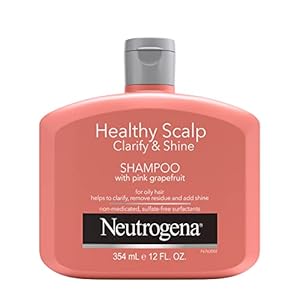
- Wash and condition your hair using a hydrating shampoo.
- Detangle thoroughly using a wide-tooth comb or detangling brush.
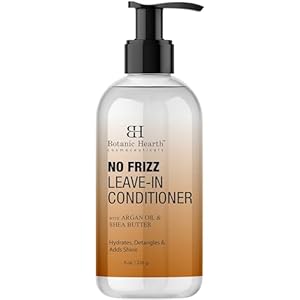
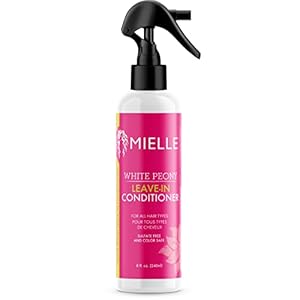
- Apply a nourishing leave-in conditioner or cream.
- Blow-dry or stretch your hair to reduce tangles and achieve a sleeker braid finish.
A well-moisturized base reduces tension, prevents breakage, and helps braids lay flatter.
Step 2: Section and Part the Hair
Parting is what defines Fulani braid patterns. So take time to map out your lines neatly and symmetrically.
Most Fulani styles include:
- A straight middle braid running from the front hairline to the nape
- Side cornrows angled away from the central line
- Braids that hang down freely at the back
Use a rat-tail comb to create:
- One center part
- Several horizontal or curved sections on each side
- Applying a small amount of gel on the line helps keep parts clean and crisp.
Step 3: Install the Signature Central Braid
The central cornrow is the foundation of Fulani styling.
To achieve it:
- Start from the forehead and braid down toward the back.
- Keep the braid close to the scalp.
- Gradually feed in hair if volume is needed.
- Ensure tension is comfortable, not tight.
This braid creates harmony and symmetry, so precision matters.
Step 4: Begin Feed-In Braiding on Both Sides
Feed-in braids deliver fullness without bulkiness at the roots.
Here’s how:
- Take a small piece of braiding hair and add it to your natural hair gradually.
- Continue braiding downward, adding hair in thin layers.
- Ensure both sides mirror each other in thickness and length.
- Space the braids evenly from the center to the ear line.
This step creates the signature Fulani silhouette.
Step 5: Create Loose or Extended Braids Toward the Back
Once cornrows meet at the crown or mid-scalp area, turn them into loose braids. This is where customization becomes visible.
You may choose:
- Straight hanging braids
- Wavy curled ends
- Jumbo single plaits
- Medium or thin braids
Step 7: Set and Finish the Look
Once braids are complete:
- Apply mousse or setting foam across the scalp and braids
- Wrap gently with a satin scarf for 15–20 minutes
- Dry with cool-air setting if needed
This removes frizz, smoothens fly-aways, and makes braids look polished.
Read Also: 8 Ingredients to Consider If You’re Suffering From an Itchy Scalp
How Long Do Fulani Braids Last?
Fulani braids generally last anywhere between four to eight weeks, depending on how well they are maintained and a few individual lifestyle factors. Your hair texture plays a major role, those with tighter curls usually retain the braids longer, while finer textures may loosen more quickly. Daily habits also influence longevity; frequent sweating, heavy product buildup, and sleeping without proper protection can shorten their lifespan.
To keep them looking fresh, hairdressers recommend lightly oiling the scalp every two to three days using a non-heavy serum or growth-friendly oil. This not only prevents dryness and itching but also helps maintain a clean, polished appearance until it’s time for removal or refreshing.
Maintenance Guide for Fulani Braids
Proper maintenance is essential to keep Fulani braids looking neat, fresh, and long-lasting. Since this style often includes intricate cornrows, beads, and delicate front braids, caring for it correctly helps preserve both the hairstyle and the health of your natural hair underneath. A simple yet consistent routine ensures that your braids remain smooth, your scalp stays moisturized, and frizz is minimized.
- Start by focusing on scalp care. Use a lightweight oil or hydrating scalp spray every few days to prevent dryness and itching. Sprays containing ingredients like aloe vera, tea tree, or jojoba oil are especially effective for soothing the scalp and maintaining moisture balance. If buildup begins to form, consider using a braid-friendly dry shampoo or diluted cleansing solution applied directly to the roots.
- Nighttime care is equally important. Wearing a satin or silk bonnet or sleeping on a satin pillowcase reduces friction, keeps edges smooth, and prevents frizz. You can also gently wrap the ends of your braids or secure them loosely in a low ponytail to maintain shape and reduce tangling.
- Refreshing the look occasionally can make a big difference. Apply a braid mousse or styling foam once or twice a week to tame flyaways and restore shine. If beads loosen, simply secure them using small rubber bands or bead stoppers.
With proper maintenance, Fulani braids can last comfortably for several weeks while protecting your natural hair, enhancing length retention, and preserving their stylish, elegant appearance.
Conclusion
Fulani braids have stood the test of time, not just as a protective hairstyle but as an expressive form of culture, identity, and beauty. Today, they continue to inspire women of all ages by combining elegance, creativity, and heritage in ways that feel both classic and modern. Whether you choose traditional patterns with beads or explore trending designs with curls, accessories, or color variations, Fulani braids offer endless opportunities to embrace your personal style while caring for your natural hair.
To keep your braids looking fresh, nourished, and long-lasting, using the right haircare products is essential. This is where our favorite maintenance companions come in Aunt Jackie’s shampoo, braid collection and elixirs. From hydrating cleansers that gently refresh your scalp to nutrient-rich leave-in treatments that restore softness and shine, Aunt Jackie’s formulations make braid care simple and effective. Pair them with protective oils, refreshing sprays, and braided-hair essentials to extend the beauty and lifespan of your Fulani braids.
Frequently Asked Questions About Fulani Braids
1. Do Fulani braids damage hair?
No, when installed correctly and maintained with hydrating products like Aunt Jackie’s leave-in conditioners and hair oils, Fulani braids actually protect natural hair, support growth, and reduce breakage.
2. How long do Fulani braids last?
Typically, Fulani braids last 4–6 weeks with proper care. Using moisture-rich serums and protective sprays helps them stay neat for longer.
3. How to wash Fulani braids?
Use a gentle cleanser like Aunt Jackie’s Purify Me Moisturizing Co-Wash Cleanser. Apply directly to the scalp, massage lightly, rinse, and follow with leave-in conditioner and a light oil to maintain softness and shine.
4. How to do Fulani braids with curls?
Install cornrows and braids as usual, then use curly extensions or flexi-rod curls at the ends. Finish with Aunt Jackie’s Hold Tight! Braid & Twist Gel with Extra Firm Hold to keep hair defined and frizz-free.
5. Which hair care brands offer products specifically for maintaining Fulani braids?
Aunt Jackie’s is a highly recommended brand for maintaining Fulani braids. Their braid-friendly shampoos, hydrating conditioners, and styling aids help keep braided hair soft, nourished, and manageable without buildup.
6. What are the top-rated hair oils or moisturizers recommended for Fulani braided hair?
Aunt Jackie’s Soft All Over Oil and Quench Moisture Leave-In Cream are top-rated options. They moisturize dry strands, prevent frizz, and add softness while keeping braids lightweight and smooth.
7. Which hair products help maintain scalp health under Fulani braids?
Aunt Jackie’s Flaxseed Purify Me Co-Wash, Scratch Free Zone Itch & Tension Treatment Serum, and Dry Clean! No Rinse Scalp Refresh are ideal. They soothe the scalp, reduce buildup, and maintain moisture balance without disturbing your braids.