If your curls have been looking off lately: more frizz than usual, less definition, flat at the roots, or just not responding to products the way they used to. The answer might not be in your styling routine at all. It might be your scalp.
I know because I lived it.
For a long time, I dealt with an itchy, problematic scalp. It was uncomfortable but manageable. Using a stronger shampoo fixed it and I had been doing that for years with good results.
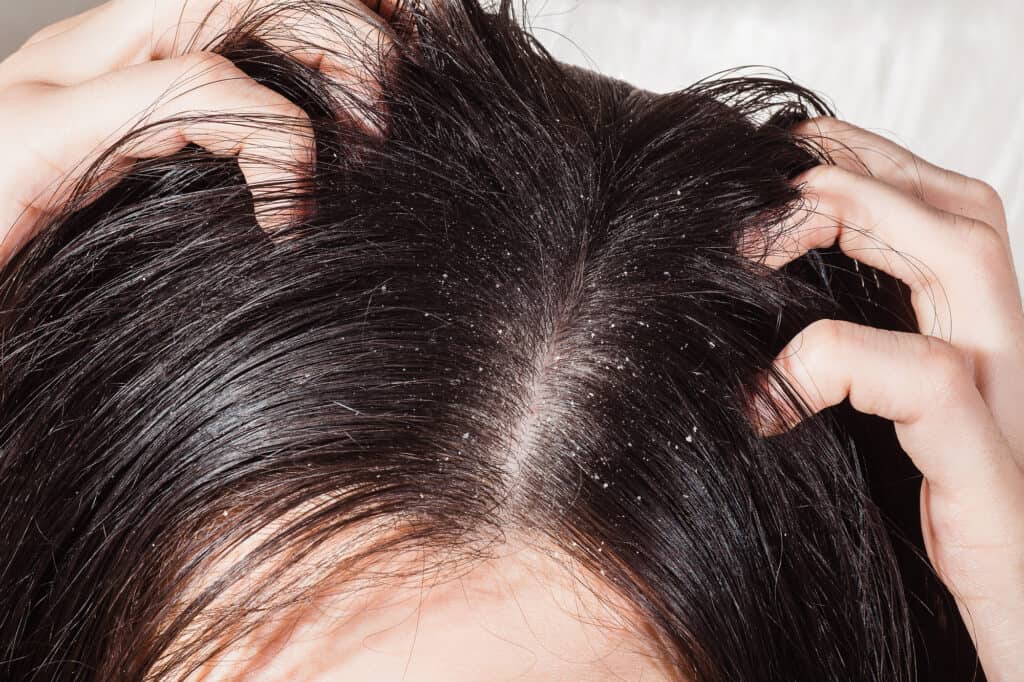
Then things got worse our of nowhere. I went through a stretch where my scalp was flaking, intensely itchy, and at times so irritated that it would bleed. I tried everything I could think of. My first instinct was that I needed to clean more aggressively (since that’s what worked last time), so I started washing more often. I have an oily scalp and fine, thin hair, so the stronger the cleanse, the better my hair looks. It made sense to lean into that.
Except it didn’t work. After a couple of months of trying to out-cleanse the problem, I realized I had been stripping my scalp into crisis mode. The aggressive cleansing was drying it out, which was causing the very symptoms I was trying to fix.
What actually fixed it was pulling back. I started using the Better Roots scalp oil and switched to much gentler shampoos (like Boucleme and TreLuxe), products I had tried before and couldn’t use because they left my hair greasy and limp. But with my scalp in that condition, they were exactly what it needed. My scalp calmed down, the flaking stopped, and my curls came back.
What I learned from all of that: scalp care is not one-size-fits-all, and when your scalp is off, your curls feel it first.
The Scalp-Curl Connection: Why It Starts at the Root
Most curly hair content focuses on styling: products, techniques, methods. Those things matter. But none of them can fully compensate for an unhealthy scalp.
Your scalp is living tissue. Your hair strands, once they leave the follicle, are essentially dead fibers. What happens to them is mostly about maintenance. But the follicle itself lives in your scalp, and the condition of that environment determines the quality of the hair that grows from it.
When your scalp has buildup (from products, excess sebum, dead skin cells, or hard water minerals), it sits on top of the follicle opening. Over time, that clogs the follicle, reduces circulation, and can weaken the hair coming out of it. You might notice more shedding, thinner strands, or hair that breaks more easily. Buildup also weighs down the root, which directly affects volume and curl definition right at the base of your hair.
When your scalp is inflamed (from over-cleansing, an allergic reaction, a scalp condition, or just the wrong products), the hair growth cycle gets disrupted. Inflamed follicles produce weaker hair. You’ll often see that show up as frizz, inconsistent curl pattern, or hair that won’t hold a style no matter what you do.
A balanced, clean, well-cared-for scalp is the reason some people have consistently great curl days. It’s not always about the products on the ends of your hair. Sometimes it starts much closer to the root.

Sebum Balance: Too Much vs. Too Little (And What Your Curls Are Telling You)
Sebum is the natural oil your scalp produces to moisturize itself and the hair growing from it. The challenge with curly and wavy hair is that sebum has a harder time traveling down the bends and curves of the strand, which is part of why textured hair tends to be drier at the ends. But at the scalp level, you can have too much or too little, and your curls will tell you which one is happening.
Signs your scalp is too oily:
- Roots look greasy within a day or two of washing
- Hair feels heavy or flat at the scalp
- Curls lose definition quickly, especially at the root
- You feel like you always need to wash sooner than you want to
Signs your scalp is too dry:
- Flaking or itching between washes
- Scalp feels tight or uncomfortable
- Curls look frizzy or dull, especially near the roots
- Hair feels brittle or breaks more easily
The tricky part is that over-cleansing an oily scalp can make it produce even more oil. Your scalp reads the stripping as a threat and ramps up sebum production to compensate. I experienced this firsthand. What felt like an oiliness problem was partly a dryness problem I had created myself.
Finding your balance means paying attention to how your scalp responds over time, not just on wash day, but in the days after. Your curl behavior is one of the best clues you have.
Cleansing: The First Thing That Affects Your Curls More Than You Think
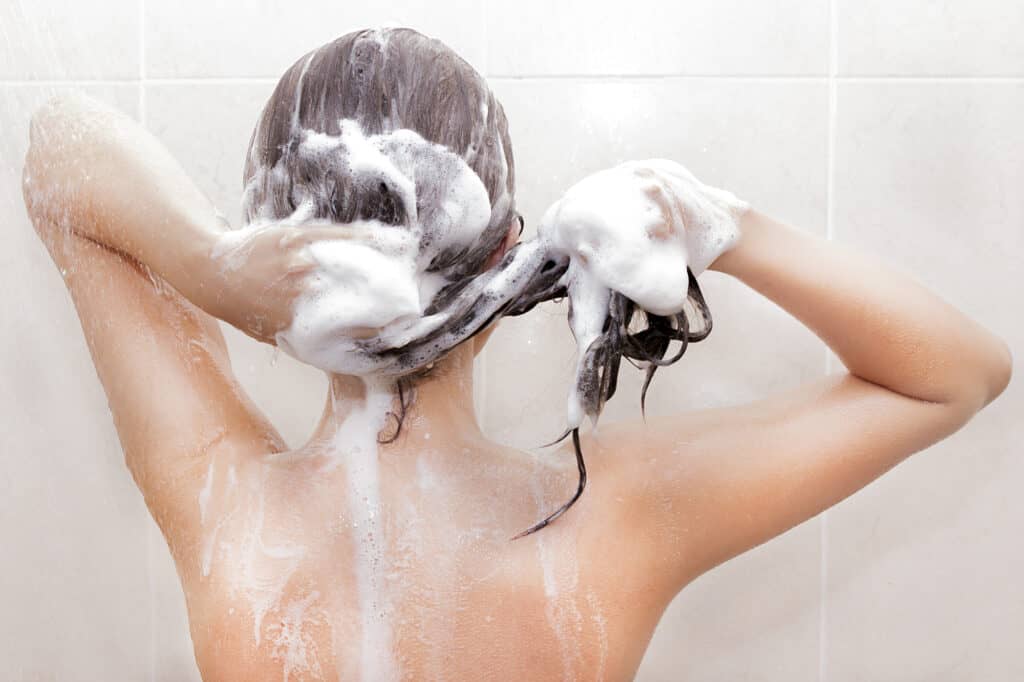
Shampoo matters more for scalp health than almost anything else in your routine. The wrong shampoo, or the wrong frequency, can create buildup, strip your scalp, or keep it in a constant state of imbalance. And when your scalp is out of balance, your curl styling is fighting an uphill battle.
One thing I want to be clear about: everyone needs shampoo. Even if it’s the gentlest shampoo you can find, your scalp needs actual cleansing. Cowash (conditioner washing) can be a great option to alternate with shampooing or to use between washes, but it is not a substitute for shampoo. Conditioner alone does not fully remove product buildup, sebum, sweat, or debris from the scalp. Relying on cowash as your only cleansing method is one of the most common ways to end up with buildup that tanks your curl definition over time.
Here’s a rough guide to finding the right approach for your scalp:
Oily scalp: You likely need a true shampoo every wash, and possibly a clarifying shampoo regularly. The goal is a thorough cleanse without going so aggressive that you trigger rebound oil production. If you notice your hair getting greasier faster than it used to, check whether you’ve been over-stripping.
Dry or sensitive scalp: Look for sulfate-free or low-sulfate shampoos, something that cleans without stripping. This is where gentle options like the Jessicurl or TreLuxe can work well. You might be able to alternate with a cowash every other wash, but keep the shampoo in the rotation.
Normal scalp: A standard curly girl approved shampoo on a regular schedule usually works well. You can alternate with a cowash if your hair does well with less frequent shampooing, but shampoo should always anchor the routine.
Frequency is personal. I can’t go more than three days without washing because my scalp gets very unhappy regardless of what I’m using. Others can go longer. Pay attention to what your scalp and your curls are telling you rather than following a formula.
For more product options, check out my guide to curly girl approved shampoos and clarifying shampoos for curly hair.
Scalp Exfoliation: What Actually Works (And What Doesn’t)
Exfoliating your scalp removes the buildup of dead skin cells, excess sebum, and product residue that regular shampooing doesn’t fully reach. It’s one of the better things you can do for your curl health. When follicles are clogged, the hair growing from them is compromised. Clearing that out regularly means better definition at the root, less frizz, and healthier growth overall.
But not all exfoliation is equal.
The problem with harsh physical scrubs
You have probably seen recipes for DIY scalp scrubs using sugar. I get it. It feels satisfying, like it’s really doing something. But trichologists consistently flag gritty, sharp-particle scrubs as potentially doing more harm than good. Physical exfoliation that is too aggressive can inflame the scalp. It can also dislodge hairs that are still in a healthy growth phase, and strip away too much oil, triggering the same rebound oil response as over-cleansing.
The same goes for any scrub with very coarse particles: large salt chunks, crushed pits, anything that feels really gritty on your fingertips.
What actually works
The key is gentle. I like the Briogeo Scalp Revival exfoliating shampoo, which has micro-exfoliating particles that are fine enough to do the job without irritating the scalp. The LUS Love Your Curls scalp exfoliator is another one I like for the same reason. Both are much gentler than a sugar scrub and are actually formulated for this purpose.

Chemical exfoliants like salicylic acid scalp treatments are another option, especially for oily scalps. They dissolve the bonds between dead skin cells without any scrubbing at all, which means less risk of irritation.
When not to exfoliate
Skip exfoliation any time your scalp is actively inflamed, broken, or irritated. Exfoliating an already angry scalp will make it worse. Let things calm down first. And if you have persistent scalp conditions like psoriasis or seborrheic dermatitis, check with a dermatologist before adding exfoliation to your routine.
Once a week is plenty for most people. More than that and you risk disrupting your scalp’s natural balance.
For more on dealing with buildup, check out my post on how to get rid of scalp buildup.
Scalp Serums and Oils: Choosing What Your Scalp Actually Needs
Scalp treatments fall into two main categories: oils and serums. They serve different purposes. Choosing the wrong one for your scalp type can mean spending money on something that either sits on top doing nothing or adds to the buildup you’re trying to fix.
Oils
Not all oils behave the same way on the scalp. Some, like jojoba, argan, and certain lighter options, can actually absorb into the scalp rather than just coating the surface. Jojoba is particularly good for this because it closely mimics sebum, absorbs well, and is easier to wash out than heavier options.
Heavier oils like castor oil, coconut oil, and mineral oil tend to sit on top of the scalp rather than soaking in. They can feel soothing and work well as a pre-poo treatment before shampooing, but if you leave them on the scalp long-term without thorough cleansing, they contribute to buildup.
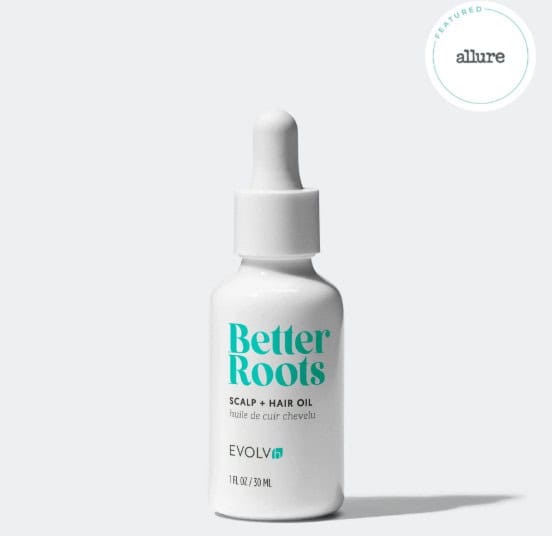
The Better Roots scalp oil (use code HE15 to save) is what turned things around for me during my worst stretch. It’s a lighter, penetrating formula and it made a real difference in calming the irritation and restoring balance. I apply it between washes when my scalp needs support.
Top Pick
Water-based serums
Scalp serums are typically water-based, which means they absorb quickly and get to work right away. They don’t add weight or sit on top of the scalp the way an oil can. Serums are often formulated with active ingredients like peptides, caffeine, rosemary, or salicylic acid to address specific concerns like growth, thinning, or irritation.
The Briogeo Scalp Revival Treatment Serum is one I’ve been using for years and keep coming back to. It absorbs immediately, doesn’t leave any greasiness, and does a really good job of calming an irritated scalp and keeping things balanced between washes. I apply a few drops and massage it in on days I don’t wash my hair. It’s one of those products I just don’t stop using.

If your scalp is oily or prone to buildup, a serum is usually a better everyday choice than an oil. If your scalp is dry or irritated, a penetrating oil a few times a week can give longer-lasting relief.
You can also use both. A serum for regular treatment, an oil occasionally for extra support. Just make sure you’re cleansing thoroughly on wash day.
Scalp Massage: The Free Tool Most People Skip
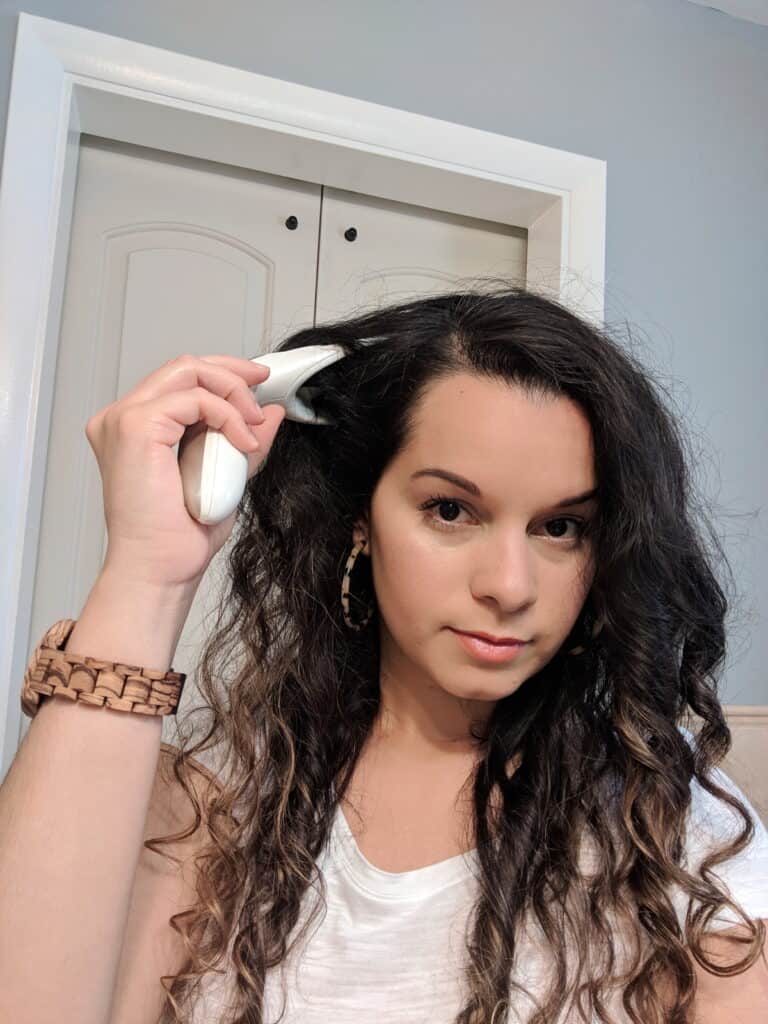
Scalp massage is one of the most underrated things you can do for scalp health and hair growth. It increases circulation to the follicles, helps distribute sebum, and provides gentle mechanical exfoliation that loosens buildup over time.
I saw real results from adding it to my routine. My hair grew noticeably faster and my scalp felt better overall. It doesn’t have to take long. A few minutes on wash day and a quick daily massage in between washes is enough to make a difference.
For a full breakdown on how to do it and what to add to your massage, check out my post on scalp massage for hair growth and scalp health.
Building Your Scalp Care Routine
Pulling this all together doesn’t have to be complicated. The goal is a routine that supports your scalp so your curl routine can actually do its job.
Start by figuring out your scalp type: oily, dry, or somewhere in between. That tells you what kind of shampoo to reach for and how often to cleanse. Add a gentle exfoliant once or twice a week to keep buildup from accumulating. Choose a serum or oil based on what your scalp needs. Active ingredients and quick absorption work better for oilier scalps, while something more nourishing is better for dry or irritated ones. Build scalp massage into your wash day as a consistent habit.
Pay attention to what your curls are telling you. Changes in definition, frizz, root volume, or how quickly your hair gets oily are all signs that something in your scalp routine needs adjusting.
Not sure about your curl type, porosity, or what products your hair actually needs? My curl type quiz can help you figure that out and point you in the right direction.
Bottom Line
Healthy curls start at the scalp. When your scalp is clean, balanced, and cared for, your products work better, your curls hold their shape longer, and your hair grows in stronger. It took me going through a pretty rough stretch to really get that. Once I stopped fighting my scalp and started actually listening to it, everything else in my routine fell into place.
It doesn’t have to be a whole new routine. It just has to be the right one for your scalp.
Trending Products

Ethique Shampoo Bars 3.88 oz

MAREE Keratin Hair Mask

Bed Head by TIGI Curls Rock Amplifier – Cur...